How Outsourcing Works for Startups
Outsourcing lets a startup go from idea to working product without first setting up a development office or hiring a full in-house team. The approach works best when the partner communicates consistently, protects your intellectual property, and can adapt as requirements and funding change. Since 1998, Sibers has delivered more than 1,700 software projects, many of them for early-stage startups, and continues to support products after launch.
There are many reasons why outsourcing is the best choice for
- Ideas
- Innovation
- Uniqueness, especially in terms of IP
- Optimization. What can you do better than your competitors?
- Accessing and attaching your company to the
cutting-edge of new platforms - The ability to create a fantastic prototype for potential investors
- The flexibility, human capital and financial capital to improve and refine your product/service as you begin to accrue investors
- Confidence in your selected outsourcing partner, especially when it comes to IP. The "secret sauce" to your product or service is of utmost importance to you — so when you’re researching outsourcing partners, make sure you understand to what lengths they’ll go to protect your IP rights — i.e. NDAs, contracts, etc. Also, it’s a good idea to call a prospective partner’s references and discuss this subject with them.
As to the outsourcing process itself, an iterative development process more often than not offers the most flexibility and the best opportunity for
If you’re starting a new platform or software business, the above insights will go a long way towards helping you identify an experienced, flexible outsourcing partner.
Frequently Asked Questions
Why do startups outsource software development?
Outsourcing lets a startup go from idea to working product without first setting up a development office or hiring a full in-house team. The approach works best when the partner communicates consistently, protects your intellectual property, and can adapt as requirements and funding change. Since 1998, Sibers has delivered more than 1,700 software projects, many of them for early-stage startups, and continues to support products after launch.
What should a startup look for in a software development outsourcing partner?
Look for consistent communication, flexibility when requirements change, and clear IP protection — and check references. Ask how day-to-day collaboration works. At Sibers, projects are divided into phases, developers and project managers discuss progress and obstacles every day, and day-to-day cost tracking shows what the team is working on and what it costs.
How can a startup protect its intellectual property when outsourcing development?
Settle IP before development begins and get it in writing: the contract should state that intellectual property rights transfer to you, the team should sign NDAs, and you can ask the provider’s existing clients how IP was handled in practice. At Sibers, the dedicated project team signs a non-disclosure agreement, contracts clearly state the transfer of IPR to the client, and all deliverables are treated as work for hire.
What development approach works well when startup requirements are likely to change?
Iterative development. Short cycles, regular reviews, and incremental deliveries let the startup and the team adjust the product as feedback and priorities emerge, instead of fixing every requirement upfront.
Can an outsourced team continue working on a product after its first release?
Absolutely yes. Outsourcing does not have to end with a prototype or first release: the same team can keep refining and expanding the product as users arrive and feedback comes in. One example is a mobile video editor that Sibers has developed since 2013, expanded to additional platforms after launch, and still maintains.
Featured case studies developed for Startups
Pro Angler: Highly-Rated Fishing App
Canada
Pro Angler is a popular fishing app which allows its users to benefit from loads of tips and insights authored by local pro anglers from US, UK and Australia.
Case study in detailsBedTyme: Mobile App for Insomniacs
USA
This project, initiated by an American sleep physician, is designed for people who have insomnia. The app offers a solution based on cognitive behavioral therapy. BedTyme uses evidence-based techniques to help users sleep better.
Case study in detailsCroo.tv: Scheduling Solution for Film Makers
USA
Aimed to facilitate the work of assistant directors and commercial producers, CROO is a scheduling solution for script-based projects such as commercials, TV shows, and movies. The cloud-based web application allows users to plan and manage every little detail during the shootings and print the schedule.
Case study in detailsVitralogy: Life-Saving Programming
USA
The project Vitralogy is truly exceptional. In the first place, it deals with the deadly infection outbreak striking the streets of New York. It is also an inspiring story of giving up everything and starting over.
Case study in detailsA Top Rated Mobile Video Editor

When we started working with our client in 2013, he wanted to create a video editing mobile application superior to everything else on the market. After studying the competition, he set out to build a product with a features list the others could only dream of. To execute his vision, he turned to Sibers.
Case study in detailsTapTrip: Seamless Business Travel Management
UK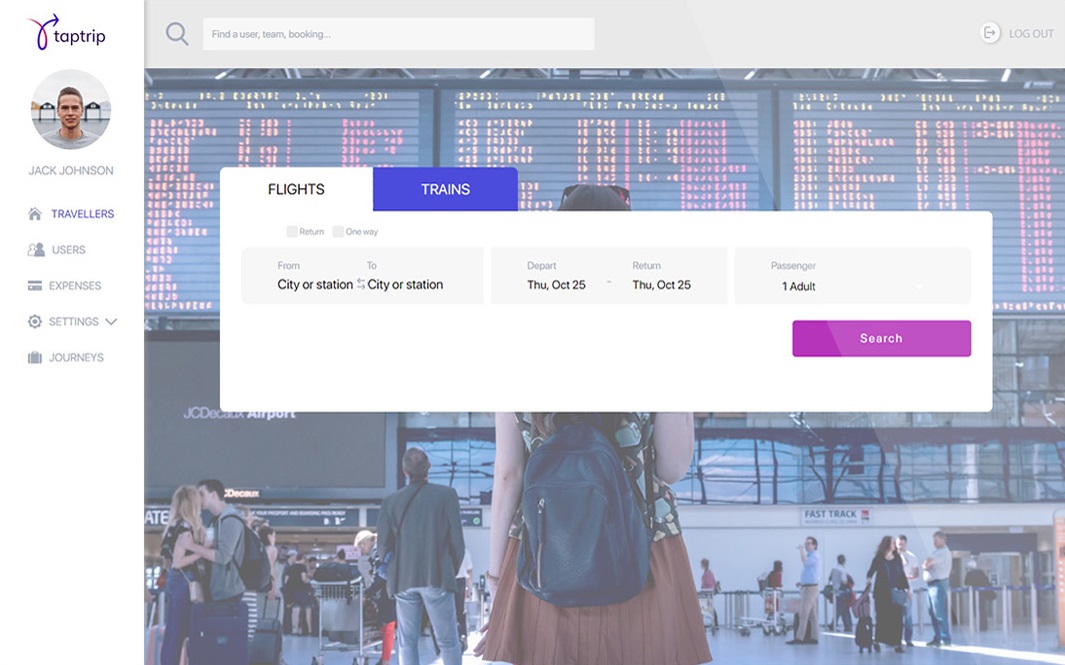
Being the quickest way to find and book the best flight, train, taxi and hotel — covering all needs for a particular business trip, it also serves as a control center for managing all the travel within a company.
Case study in detailsFilmr: World's Most Intuitive Mobile Video Editor
Brazil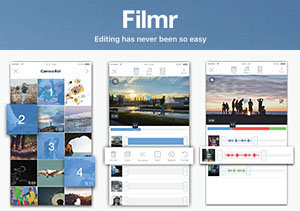
This classy project’s customers are two professional surfers — twin brothers from Brazil. Having loved surfing since they were kids, one sunny day they began capturing their runs on camera.
Twenty years later, in 2016, the brothers decided to create a video editing app of their own — not just for personal reasons, but also because it was a good chance to ride the wave of video content’s rising popularity, which incidentally is still rising as it replaces static images.
Case study in detailsHireWriters: A Freelance Marketplace for Writers
USA
While doing his business, our client, a talented engineer and entrepreneur, came across the problem of finding appropriate copywriters, thus decided to create the most convenient content marketplace ever.
Case study in detailsLivDay: User-Generated Itineraries for One Perfect Day in San Francisco
USA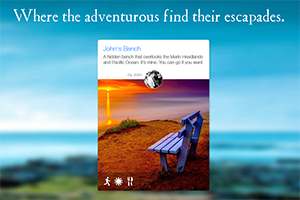
A group of San Francisco locals, owners of a startup focused on digital city guides, asked Sibers to develop a web platform that would enable their users to create their own itineraries and browse through other users’ itineraries.
Case study in detailsEyefi Wireless Memory Card
USA
One of the most rewarding aspects of being an outsourcing provider is watching a solution you helped create grow from a basic concept into a hugely successful application. One such success story is Eyefi, which has attracted thousands of customers worldwide and brought millions of dollars to its founders since its 2007 debut.
Case study in detailsConnexiti: A Massive Financial Analysis System
USA
Connexiti is a massive financial analysis system that Sibers developed for a client which has since been acquired by Bloomberg L.P. The Connexiti platform allows its users to create customized portfolios, organize and upload company models and research, and filter and tag relevant news articles from thousands of global sources. This helps investors better understand money flows between companies on a global basis and make predictive stock calls.
Case study in detailsLogos3D: A 3D Simulations Engine
Netherlands
This project, which has won multiple awards and scholarships, was launched in the Netherlands by two brothers, who are the two biggest 3D technology enthusiasts we’ve ever met. As with almost every game engine, their offering, Logos3D, began as an internal project intended to help the brothers create their own games. Later it grew into a comprehensive proprietary middleware for creating lush, natural 3D virtual environments ideal for games, interactive simulators, and research tools. Indeed, Logos3D’s application field is very diverse.
Case study in detailsPushLocal Local Information On-Demand Platform
USA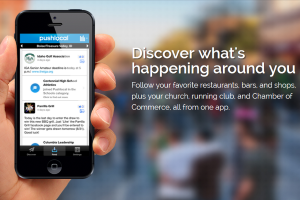
Our client, an IT entrepreneur in Natchez, asked us to develop a solution that connects Natchez businesses and organizations with the local community. In response, Sibers developed a website that allows businesses to register, create, and schedule push notifications. iPhone and Android apps were built to supplement the website, allowing Natchez residents to receive the notifications. Today, this scalable solution is employed in multiple cities in the US and the UK.
Case study in detailsHistory Educational Application
Denmark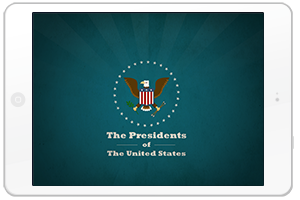
Currently selling in the App Store, this iPad application was a good investment for its founders, having generated popularity amongst students and casual American history fans alike.
Case study in detailsTaposé Multi-media Digital Notebook
USA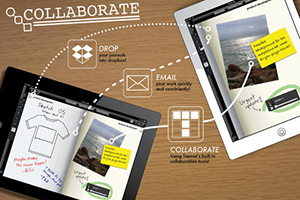
The name “Taposé” derives from the verb “juxtapose”, and means “to place things close together or side by side”. The name is ideal for the client in that it reflects the application’s purpose: Taposé’s split interface ensures interaction with multiple apps simultaneously. So-called "multitasking" for iPad.
Case study in detailsEvidence-based self-triage instrument
USA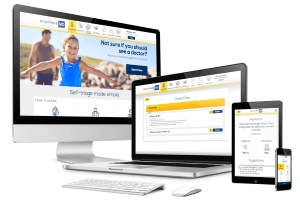
Self-diagnosis is incredibly helpful in emergency situations — for example, when calling 911, exchanging information efficiently when time is of the essence often means the difference between life and death.
Sibers was tasked by an experienced family doctor and medical entrepreneur to create an online version of a symptom-based, self-diagnostic tool of his creation.
Case study in detailsLooking for a development team for your startup?
Request a quoteWhitepapers
- Building MVP for Startups
- Architecture: Why Does it Matter?
- Functionality vs. Classy: The “90/90 Percent” App Rule
- The Essentials of Custom Development for Printing Businesses
- IT Projects: It Takes Two To Meet A Deadline
- E-Learning Evolution: Custom E-Learning Development Trends
- Getting iOS App Crash Logs
- You Asked, We Answered: Testing, Debugging, and What on Earth Does “Best Practices” Really Mean?
- The Limits of Perfection: Where Pixel-perfectionists Need to Stop and Think
- Software cost estimation: What factors are key in IT project estimates?
- Why go outsource?
- DIY: When Does It Make Sense?